Why Suspension Damage Changes the Entire Recovery Plan
When a commercial truck has a damaged suspension, moving it safely takes more than attaching a cable and pulling it onto the road. A careless recovery can turn a repairable problem into a much larger one.
For businesses searching for a commercial tow truck in Upper Sandusky, choosing a provider that understands heavy-vehicle recovery is essential. Ed’s 24 Hour Service offers heavy-duty towing in Upper Sandusky, helping vehicle owners explore support when a large vehicle can’t safely continue its journey.
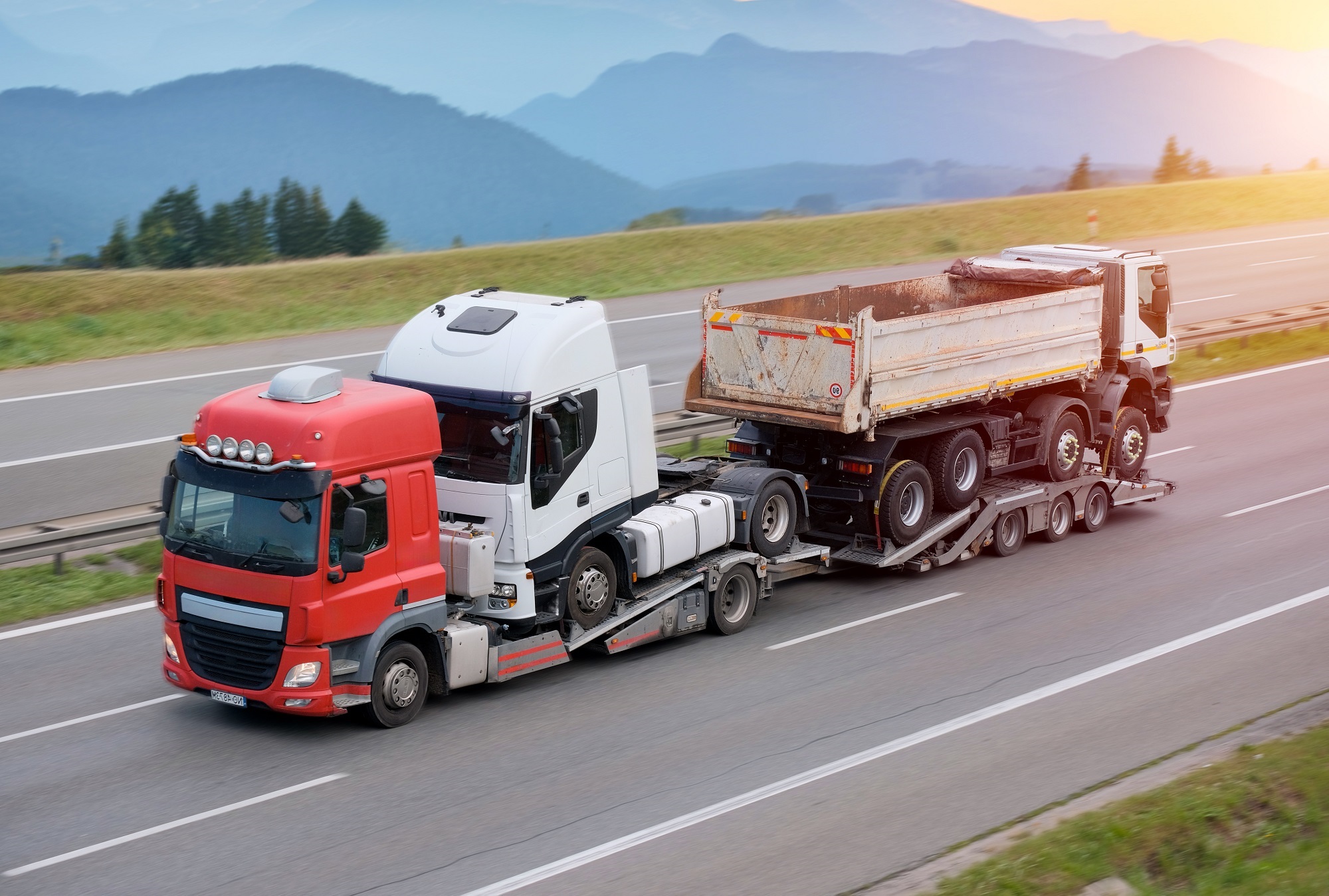
A commercial tow truck adapts its recovery method by assessing the damaged suspension, checking the vehicle’s weight and load, selecting suitable recovery equipment, and stabilizing the truck before movement. Operators must control lifting points, loading angles, axle movement, and load securement to reduce stress on damaged parts and protect nearby workers and property.
Why Does Suspension Damage Make Heavy-Vehicle Recovery More Complicated?
A truck’s suspension helps support its weight, absorb road impacts, and keep its tires aligned with the surface. Depending on the vehicle, the system may include leaf springs, air ride systems, shock absorbers, control arms, axles, and other load-bearing components. If a spring breaks or an axle shifts, the truck may sit unevenly or become unstable during loading.
These risks are especially important for commercial vehicles such as dump trucks, bucket trucks, boom trucks, and semi-trucks. A damaged suspension can change how weight is distributed across the axles, so a recovery method that works for a vehicle with intact components may be unsuitable for one with structural damage. Even moving a short distance can cause extra strain if the wheels can’t track correctly.
For businesses in Upper Sandusky and across Wyandot County, seasonal weather adds another concern. Rain, snow, ice, and soft shoulders can reduce traction and stability for both the disabled vehicle and the recovery truck. A qualified heavy-duty operator considers the ground conditions, traffic exposure, available working space, and safest route before starting.
What should an operator check first? The priority is to identify which components are damaged, determine whether the vehicle can roll safely, and decide whether its weight can be supported without placing additional force on the affected suspension.
5 Recovery Mistakes that Can Make Suspension Damage Worse
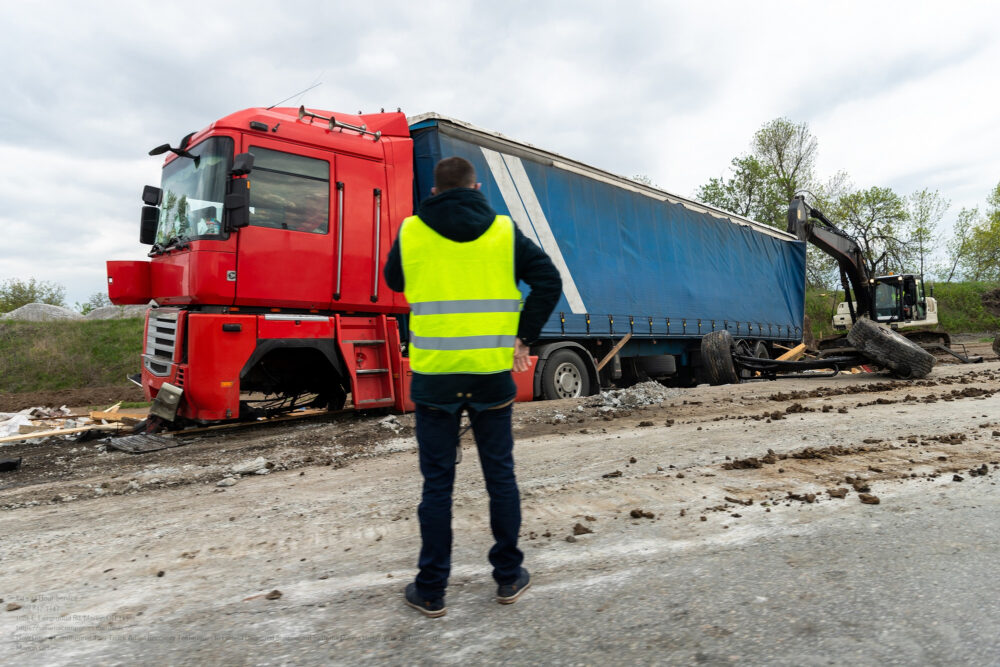
- One common mistake is pulling a truck before checking its suspension. A wheel that appears merely misaligned may be connected to a broken spring, shifted axle, or damaged mounting point. Pulling without an assessment can drag the affected wheel, worsen the damage, or make the vehicle less stable.
- A second mistake is using an unsuitable attachment point. Suspension components aren’t automatically safe places to connect recovery gear. Operators need to identify the approved structural points and follow the equipment manufacturer’s instructions, rather than attaching chains or straps wherever they fit.
- A third mistake is lifting the truck unevenly. If a damaged axle or corner of the vehicle takes too much of the load, the lifting process may twist the frame or stress other components. Suitable lifting equipment and a controlled setup help distribute forces more appropriately.
- A fourth mistake is ignoring the cargo and overall weight. A loaded semi-truck, dump truck, or other heavy vehicle presents different challenges from an empty unit. Operators must account for the vehicle, cargo, axle configuration, and recovery angle before selecting a heavy tow truck.
- Finally, rushing load securement can create problems during transport. If a truck shifts on the carrier or trailer, the movement can place additional stress on the damaged suspension and create hazards on the road. The Federal Motor Carrier Safety Administration explains the importance of cargo securement requirements in its cargo securement rules. Although a disabled vehicle’s towing arrangement requires its own assessment, securement principles remain important when transporting heavy equipment.
Need A Commercial Tow Truck?
Contact Ed’s 24 Hour Service to discuss your recovery needs and available support.
Which Expert Checks Matter Most During Heavy-Vehicle Transport?
After loading or lifting, operators need to consider how the damaged suspension may behave while the vehicle is moving. A truck with a compromised axle or air-ride system may not sit at its normal height, which can affect clearance, stability, and securement. The recovery team should follow the equipment manufacturer’s procedures and applicable transport requirements instead of assuming the vehicle will remain stable throughout the trip.
This is particularly important when handling heavy-duty commercial equipment, farming equipment, recreational vehicles, or heavy machines. A bucket truck or boom truck may have additional weight-distribution and configuration concerns. At the same time, road tractor swap-outs and other fleet arrangements require coordination to make sure the correct unit and equipment are available. Heavy equipment hauling may also require a different transport setup from conventional towing vehicles.
Owners should ask how the recovery team plans to support the vehicle, secure it for travel, and respond if the damage affects loading. Certified technicians may be needed to assess or repair mechanical faults once the truck reaches an appropriate repair facility. Ed’s 24 Hour Service provides towing and heavy-duty services, while specific repair requirements depend on the vehicle’s condition and the work needed.
What Should Fleet Managers Remember about Suspension-Safe Recovery?
Suspension damage changes the way a heavy vehicle must be handled. The condition of the axle, springs, air ride system, tires, frame, cargo, and surrounding ground all influence the recovery plan. There is no single method that fits every semi-truck, dump truck, or commercial vehicle, so an on-site assessment and suitable equipment are essential.
Businesses should clearly communicate the truck’s condition, avoid attempting to drag or drive an unstable vehicle, and confirm how it will be supported and secured for transport. They should also plan for any repair assessment required after recovery, rather than assuming that successful towing means the vehicle is safe to return to work.
For operators comparing commercial tow truck options in Upper Sandusky, the most useful questions concern experience with heavy vehicles, equipment suitability, safe access, and the recovery plan for a damaged suspension. Those details help businesses make an informed decision when a breakdown disrupts operations in Upper Sandusky and the wider Northwest Ohio area.
Why Ed’s 24 Hour Service is a Smart Choice for Heavy-Vehicle Recovery
We at Ed’s 24 Hour Service understand how stressful a commercial vehicle breakdown can be, especially when suspension damage complicates moving the truck. We help customers explore appropriate towing and heavy-duty recovery options, taking into account the vehicle’s condition, access requirements, and transport needs.
Our services include heavy-duty towing, emergency towing, and mobile semi-truck repair for situations requiring professional assistance. We work to help drivers and businesses find practical support when a breakdown interrupts their schedules.
When a truck can’t be moved safely, the right recovery plan can help prevent further damage and clarify the next steps in the repair process. Contact Ed’s 24 Hour Service to discuss your heavy-vehicle recovery needs and find out what support may be available. For dependable commercial tow truck in Upper Sandusky, choose a recovery approach that prioritizes vehicle stability and safe transport.
Need A Commercial Tow Truck?
Contact Ed’s 24 Hour Service to discuss your recovery needs and available support.