
When Seconds Matter and Decisions Can’t Wait
When a multi-vehicle crash brings traffic to a standstill, the towing response isn’t improvised. It follows a clear decision framework built around safety, coordination, and speed. In emergency towing in Bluffton, these moments test experience more than equipment. The wrong call delays clearance. The right one restores order fast.
For drivers, fleet managers, and first responders, understanding how these decisions are made brings peace of mind. In the first moments after impact, Ed’s 24 Hour Service relies on proven processes, not guesswork; to protect people and property.
Emergency towing in multi-vehicle incidents is guided by safety-first frameworks that assess vehicle type, hazards, traffic flow, and recovery priority. These frameworks help recovery experts choose the right equipment, prevent secondary accidents, and restore traffic quickly, especially during times of urgency.
Why Emergency Towing Decisions Aren’t Made On Instinct Alone
Multi-vehicle incidents are complex scenes. One disabled sedan may be blocking a lane. A semi truck could be leaking fuel. A construction vehicle might be unstable on a shoulder. Decision frameworks exist to sort chaos into action.
Professionals begin by asking practical questions people also ask online: Which vehicle is the biggest risk? Which tow truck can safely handle that weight? Can traffic flow resume in stages? These answers guide every move. In emergency towing, local knowledge matters too; tight intersections near Riverside Park demand different tactics than open highway stretches.
Ed’s 24 Hour Service trains its dedicated team to evaluate hazards fast while coordinating with police and roadside service crews. The goal is simple: remove danger first, then restore flow.
6 Costly Mistakes That Complicate Multi-Vehicle Towing Scenes
Accident recovery can be delayed or complicated when key decisions are made too quickly, even by experienced drivers or first responders. Small misjudgments at the scene often compound into safety risks, equipment delays, or additional damage. Effective recovery depends on careful assessment and coordination from the outset.
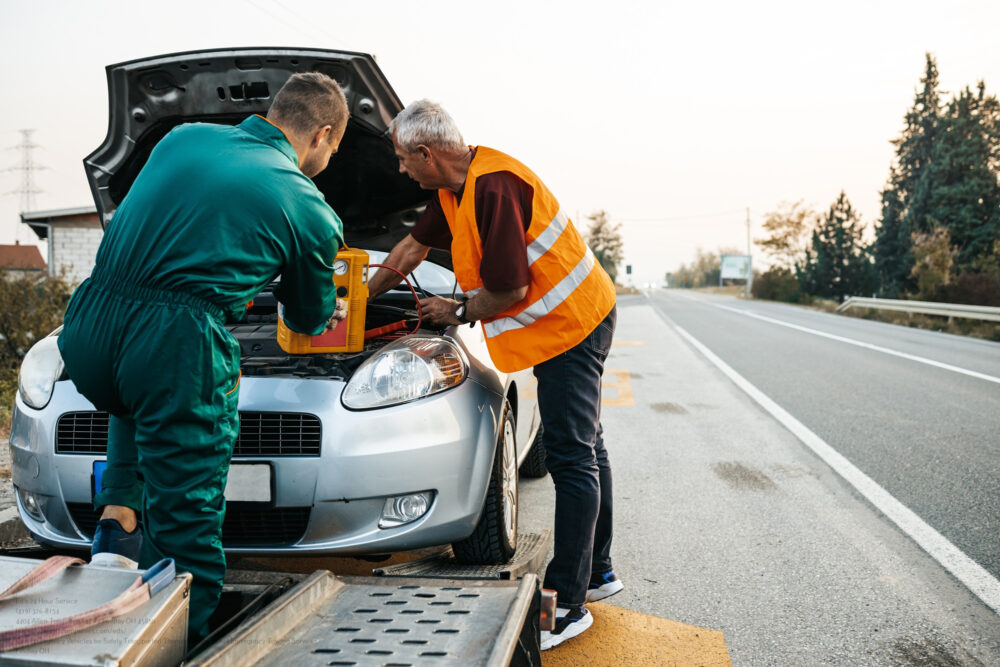
Common mistakes that slow or complicate accident recovery include:
- Misjudging the vehicle type involved: Light-duty towing equipment cannot safely manage heavy-duty vehicles such as semi-trailers, buses, or heavy machinery, increasing the risk of failure or secondary damage.
- Ignoring secondary hazards at the scene: Fuel leaks, mechanical failures, unstable loads, or engine trouble can escalate quickly if not identified and addressed before recovery begins.
- Calling the wrong towing service provider: Contacting a provider without the proper wrecker service or heavy-duty towing capability leads to delays while specialized equipment is sourced.
- Poor traffic control and scene positioning: Inadequate placement of tow trucks and recovery vehicles exposes crews and motorists to secondary crashes, especially on high-speed roadways.
- Overlooking long-distance towing requirements: Some vehicles require transport beyond local impound yards, and failing to plan for extended towing can disrupt recovery timelines.
- Rushing recovery without a clear plan: Moving vehicles prematurely or without coordination can result in property damage, equipment strain, or personal injury.
Industry safety guidance from the National Highway Traffic Safety Administration emphasizes thorough scene assessment before any vehicle movement occurs. Ed’s 24 Hour Service follows this principle closely by deploying the appropriate wrecker service and heavy-duty towing resources from the start, ensuring safer, faster, and more efficient accident recovery outcomes.
Read more about emergency towing in Bluffton
Need Emergency Towing Right Now?
Contact Ed’s 24 Hour Service today and get back on the road with confidence.
Why These Frameworks Protect Lives, Vehicles and Your Wallet
Decision frameworks aren’t just about efficiency. They protect people. By prioritizing the most dangerous vehicle breakdowns, crews reduce exposure for drivers and first responders. Proper sequencing also prevents damage during vehicle recovery, especially for auto transport, flatbed towing, or motorcycle tow service.
Consider a real-world example. A roadside breakdown involving a semi truck and two passenger vehicles could be cleared incorrectly, causing hours of delay. Using a structured plan, Ed’s 24 Hour Service stabilized traffic first, deployed heavy towing for the semi, then handled light-duty towing for the cars. The result? Faster clearance, less congestion, and higher customer satisfaction.
That consistency is what builds trust during emergency towing needs.
The Step-By-Step Framework Recovery Experts Rely on
Behind every smooth recovery is a repeatable process. While no two scenes are identical, the framework follows a clear order:
- Scene safety first. Crews assess traffic flow, hazards, and roadside challenges before moving anything.
- Vehicle classification. Identifying vehicle type determines whether light duty towing, heavy towing, or heavy transport is required.
- Equipment matching. Specialized equipment like rotator service, crane work, or heavy-duty truck units are selected based on weight and access.
- Priority removal. Vehicles causing the greatest risk are cleared first to restore lanes.
- Final transport. Options like long distance towing or local storage are arranged.
This structured approach allows Ed’s 24 Hour Service to provide prompt and professional service even during unforeseen situations. It’s how emergency towing stays reliable under pressure.
Lessons From The Field: What Real Recoveries Teach
Years on the road teach lessons no manual can. One insight stands out: speed without planning causes problems. In one local incident near Riverside Park, multiple flat tires and fuel delivery needs complicated a pileup. Instead of rushing, the team staged roadside maintenance and tire changes first, reducing congestion while heavier units arrived.
Another takeaway is communication. Clear coordination between recovery experts, police, and drivers shortens downtime. A dedicated partner who understands commercial towing service trucks, heavy-duty towing, and emergency repairs makes all the difference.
For drivers, the practical takeaway is simple; call a provider with a proven framework and a dedicated team, not just the nearest tow truck.
Key Takeaways That Keep Recoveries Efficient and Safe
Decision frameworks bring order to chaos. They ensure towing service crews choose the right tools, protect people, and clear scenes efficiently. From semi truck accident recovery to light-duty towing for stranded motorists, structure matters.
Remember this: vehicle type, hazard level, and location shape every decision. In emergency towing, local experience and planning turn stressful moments into controlled outcomes. When emergencies hit, preparation – not improvisation – keeps roads moving.
Why Choosing Ed’s 24 Hour Service is the Smart Call When it Counts
We at Ed’s 24 Hour Service provide the best solutions to our customers because we don’t guess; we plan! Our decision frameworks guide every emergency response, ensuring safety, speed, and care for every vehicle we handle. We take pride in offering reliable roadside assistance, heavy-duty towing, and recovery services with a focus on customer service and peace of mind.
Our team delivers prompt and professional service using specialized equipment and decades of hands-on knowledge. When you need a dedicated partner during times of urgency, contact Ed’s 24 Hour Service for expert emergency towing in Bluffton. Trust the team that understands your emergency needs from the ground up.
emergency towing near me in Bluffton
Need Emergency Towing Right Now?
Contact Ed’s 24 Hour Service today and get back on the road with confidence.