
Choosing the Right Tow Truck isn’t About Size but It’s About Strategy, Timing and Risk Control
Industrial and fleet operations don’t get second chances when vehicles go down. A disabled transportation vehicle can stall production, disrupt schedules, and expose companies to safety risks. That’s why commercial tow truck in Upper Sandusky decisions are never made on impulse. The selection process begins with recovery planning that weighs load, environment, urgency, and long-term impact.
At Ed’s 24 Hour Service, recovery planning determines which commercial tow truck is dispatched before a scene is even reached.
Commercial tow truck selection is determined by recovery planning factors such as vehicle weight, load stability, access conditions, safety risks, and repair requirements. Proper planning ensures the right equipment is deployed, reducing damage, downtime, and liability for industrial and fleet operations.
Why Commercial Tow Truck Decisions Shape Fleet Outcomes
A common People Also Ask question is: Why can’t any tow truck handle commercial recovery? The answer lies in scale and consequence. Commercial towing services operate in environments where mistakes ripple outward; delaying routes, increasing repair costs, and compromising vehicle safety.
In Upper Sandusky and throughout Erie County, fleets range from delivery trucks to heavy commercial vehicles and recreational vehicle transport. Each scenario demands a different recovery approach. Selecting the wrong tow truck isn’t just inefficient; it can worsen mechanical damage or create unsafe conditions.
Commercial tow truck selection balances towing services capability with situational demands, ensuring recovery aligns with operational priorities.
Common Planning Mistakes That Lead to the Wrong Tow Truck Being Dispatched
One frequent mistake is focusing only on vehicle size. Weight matters, but so does configuration. A semi truck with load corrections needed requires different handling than an empty unit. Another issue is overlooking access constraints. Tight industrial yards or roadside shoulders change which service trucks can operate safely.
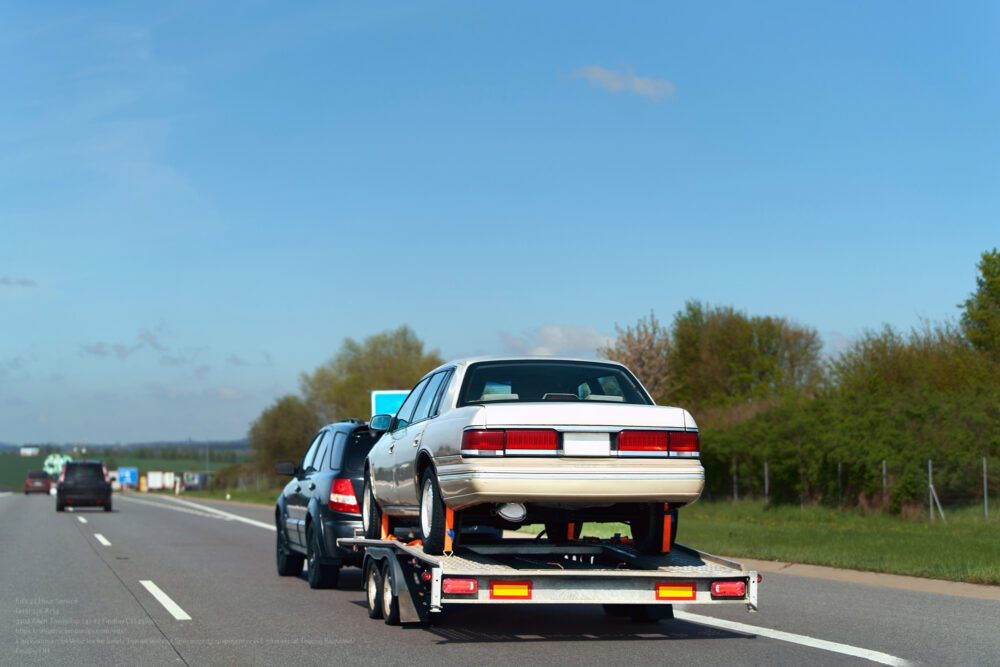
Fleet managers sometimes underestimate secondary issues like irregular tire wear, alignment problems, or air leaks. These factors influence whether mobile repairs or full recovery is the safer option. Others delay calling professional help, hoping in-house towing capability will suffice.
Ed’s 24 Hour Service helps avoid these missteps through structured recovery planning and trained dispatch teams. According to the Federal Motor Carrier Safety Administration, improper recovery planning increases roadside incident risk for commercial vehicles.
Need A Commercial Tow Truck For Fleet Or Industrial Recovery?
Contact Ed’s 24 Hour Service now for reliable, professional support.
Why the Right Tow Truck Protects Schedules, Safety and Budgets
Selecting the correct commercial tow truck reduces downtime first. A properly matched heavy-duty towing service completes recovery faster and with fewer complications. That keeps fleets moving and minimizes disruption across Northwest Ohio operations.
Safety improves as well. Using a heavy-duty rotator or specialized equipment prevents unstable lifts and uncontrolled movement. Financially, correct selection reduces follow-up truck repair, tire replacement, and alignment check needs.
Ed’s 24 Hour Service approaches recovery as an extension of preventative maintenance, not a separate event. That mindset saves fleets money over time.
The Core Recovery Planning Factors Professionals Evaluate First
Before dispatching a tow truck, professionals analyze multiple variables. While no two recoveries are identical, planning typically centers on:
- Vehicle weight, configuration, and load condition
- Recovery environment, including access and terrain
- Safety risks to traffic, operators, and the vehicle
- Repair requirements versus transport needs
In Upper Sandusky, weather and industrial layout often influence these decisions. A mobile semi truck repair may resolve issues like tire repair and replacement or computer diagnostics without towing. In other cases, large vehicle recovery demands immediate transport using heavy commercial towing equipment.
How Equipment Capability Drives Tow Truck Selection
Tow trucks aren’t interchangeable. A fleet of vehicles may require multiple recovery options depending on the situation. Heavy-duty rotator units handle rollovers and complex load corrections. Flatbed and service trucks support lighter commercial units or recreational vehicle transport.
Service trucks equipped for mobile repairs can address issues like tire alignment, fuel delivery, or lockout services on-site. For more severe failures, heavy duty towing service trucks ensure safe relocation to repair facilities.
Ed’s 24 Hour Service maintains varied equipment to match recovery planning outcomes, rather than forcing one solution onto every problem.
Expert Insight: What Recovery Planners Notice that Fleets Often Miss
Experienced recovery planners look beyond the obvious. They assess how long a vehicle has been down, whether irregular tire wear indicates deeper issues, and if alignment problems suggest suspension damage.
In one Upper Sandusky, OH recovery involving a fleet vehicle with repeated tire failures, planners opted for transport instead of on-site tire replacement. Follow-up inspection revealed alignment issues that would’ve caused repeated breakdowns. That decision prevented further downtime.
The practical takeaway is simple: recovery planning isn’t reactive. It’s diagnostic.
How Mobile Repair Options Factor into Tow Truck Decisions
Not every breakdown requires towing. Mobile truck repair and mobile semi truck repair services play a role in recovery planning. Issues like tire repair, minor engine faults, or computer diagnostics may be resolved roadside.
However, recovery planners consider safety and durability. Temporary fixes aren’t always appropriate for long routes or heavy loads. Ed’s 24 Hour Service integrates mobile repairs into recovery decisions without compromising vehicle safety or compliance.
This balanced approach supports fleet managers who need both speed and reliability.
Why Commercial Tow Truck Planning Depends on Training and Process
Recovery planning isn’t guesswork. It’s trained. Dispatchers and operators follow structured protocols built through experience and continuous training programs. This ensures consistent decisions across different fleet scenarios.
In Northwest Ohio, where operations range from local routes to nationwide towing services coordination, process matters. Commercial towing services succeed when planning aligns with execution.
That consistency is what allows fleet managers to trust recovery outcomes.
Key Optimization Takeaways for Fleet And Industrial Recovery Planning
The right commercial tow truck selection starts with understanding the problem, not the equipment. Vehicle condition, environment, safety risk, and repair strategy all guide the decision.
For fleets operating in Upper Sandusky and Erie County, partnering with a provider that prioritizes planning reduces surprises and improves long-term performance. Recovery done right supports operations beyond the immediate incident.
Why Choosing Ed’s 24 Hour Service is the Smart Choice for Commercial Recovery
We at Ed’s 24 Hour Service provide the best solutions to our customers by planning recovery before dispatching equipment. Our team delivers commercial towing services, roadside assistance services, and mobile repairs with a focus on safety and efficiency.
We showcase our heavy-duty towing service capabilities, experienced staff, and specialized equipment on every call. From load corrections to large vehicle recovery, we align planning with execution. Contact Ed’s 24 Hour Service today for expert fleet recovery support and dependable solutions for commercial tow truck in Upper Sandusky.
Need A Commercial Tow Truck For Fleet Or Industrial Recovery?
Contact Ed’s 24 Hour Service now for reliable, professional support.