When Every Second Counts, Communication Decides the Outcome
Active traffic scenes are unpredictable. Cars keep moving. Drivers panic. Conditions change by the second. That’s why real-time coordination isn’t optional during emergency towing—it’s the backbone of safe recovery. In emergency towing in Findlay, the difference between a controlled response and total gridlock often comes down to how well teams communicate in the moment.
Ed’s 24 Hour Service operates in these high-pressure environments daily. Through constant coordination between dispatchers, tow truck operators, roadside assistance teams, and local responders, they help reduce risk and restore traffic flow faster.
Real-time coordination in emergency towing allows recovery teams to adapt instantly to traffic flow, vehicle type, and safety risks. During active traffic situations, constant communication helps prevent secondary accidents, reduces delays, and ensures the right equipment arrives at the right moment.
Why Emergency Towing Depends on Real-Time Coordination, Not Guesswork
Emergency towing during live traffic isn’t a static operation. A roadside breakdown can escalate quickly when vehicles continue passing at highway speeds. One stalled semi truck can back traffic for miles. Add rain, engine trouble, or flat tires, and the situation changes again.
People often ask, Why can’t a tow truck just hook up and go? Because in active traffic, every movement affects safety. In emergency towing, real-time updates allow teams to reroute tow truck fleet vehicles, adjust recovery angles, and coordinate roadside service support like fuel delivery or jump start assistance without causing new hazards.
Local familiarity matters too. Areas near Riverside Park experience different traffic patterns than industrial routes used by construction vehicle fleets. Ed’s 24 Hour Service factors this into every coordinated response.
The Hidden Problems that Arise When Coordination Breaks Down
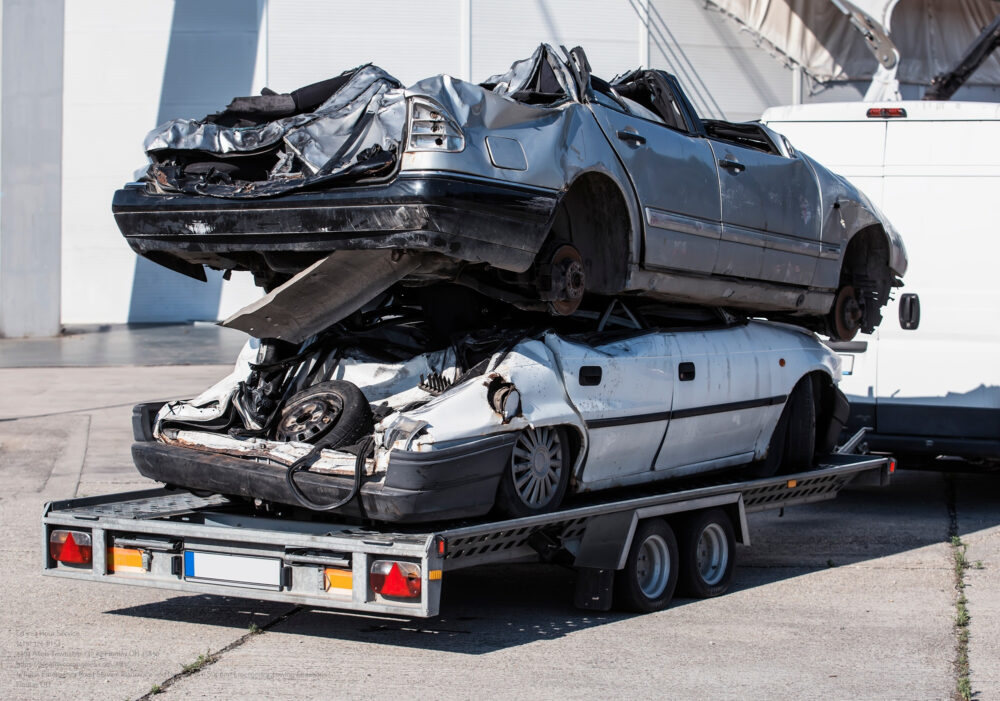
Clear communication is the backbone of safe and efficient roadside operations. When information breaks down, even highly experienced crews can struggle to respond appropriately. These failures often increase response times, elevate safety risks, and expose both operators and motorists to preventable hazards.
Common communication-related mistakes that disrupt towing and recovery operations include:
- Delayed or incomplete dispatch updates: When traffic conditions, lane closures, or scene severity change and crews are not informed in real time, the wrong tow truck or recovery unit may be dispatched.
- Mismatched equipment deployment: Sending light-duty towing equipment for heavy-duty vehicles wastes critical time and increases operational risk, especially in high-traffic or unstable environments.
- Poor coordination during roadside assistance: Tire changes or flat tire support performed without proper traffic control planning place technicians directly in harm’s way.
- Lack of sequencing during accident recovery: When responders are not aligned on recovery order, vehicles may be moved prematurely, increasing damage, liability exposure, or evidence disruption.
- Insufficient communication between multiple responders: Disconnected coordination between towing operators, law enforcement, and recovery teams often leads to confusion and unsafe scene conditions.
According to traffic incident management research from the Federal Highway Administration, secondary crashes are among the greatest risks during roadside incidents and are frequently caused by delayed or uncoordinated responses. Ed’s 24 Hour Service minimizes these risks by maintaining continuous communication between dispatchers, operators, and recovery specialists, ensuring safe, adaptive responses as conditions evolve.
When communication fails, even experienced crews struggle. One common issue is delayed dispatch updates. If traffic conditions change but crews aren’t informed, the wrong tow truck or wrecker service may arrive. Another problem is mismatched equipment. Sending light-duty towing for a heavy-duty vehicle wastes time and increases risk.
Poor coordination can also lead to unsafe roadside maintenance. Tire changes or flat tire support attempted without traffic control expose technicians to danger. In accident recovery scenarios, lack of communication between responders can cause vehicles to be moved out of sequence, increasing damage or liability.
According to traffic incident management research shared by the Federal Highway Administration, secondary crashes are a leading risk during roadside incidents, often caused by delayed or uncoordinated responses. Ed’s 24 Hour Service reduces these risks by keeping dispatch, operators, and recovery experts in constant contact, even as conditions evolve.
Read more about emergency towing in Findlay
Need Emergency Towing During Active Traffic?
Contact Ed’s 24 Hour Service now for fast, coordinated support you can trust.
How Real-Time Coordination Protects Drivers, Crews and Property
The biggest benefit of coordination is safety. When teams share live updates, they can position tow truck units to shield disabled vehicles, schedule recovery in phases, and reopen lanes sooner. That means fewer roadside challenges for passing drivers and more peace of mind for those involved in the breakdown.
There’s also a cost benefit. Efficient coordination reduces vehicle recovery time, minimizes damage during auto transport, and avoids unnecessary heavy transport deployments. One delayed decision can add hours of congestion. One well-timed update can clear a lane in minutes.
Ed’s 24 Hour Service has built its reputation on prompt and professional service by treating communication as seriously as equipment. Their customer service approach focuses on keeping everyone informed—from drivers waiting on roadside assistance to fleet managers overseeing commercial towing service trucks.
How Professionals Coordinate Emergency Towing in Live Traffic
Real-time coordination follows a clear operational rhythm, even though conditions shift constantly. While each situation is unique, experienced teams rely on a shared process:
- Live assessment: Dispatch monitors traffic, weather, and vehicle type details as they change.
- Dynamic equipment selection: Crews adjust between flatbed towing, heavy-duty towing service, or rotator service as new information comes in.
- On-scene communication: Operators relay conditions like fuel leaks, flat tires, or unstable heavy equipment back to dispatch instantly.
- Traffic-aware recovery: Moves are timed around traffic gaps to reduce risk and speed clearance.
This approach is especially critical for semi-trailer trucks and heavy-duty truck recoveries, where crane work or heavy towing requires precise timing. During emergency towing services, that coordination keeps both operators and motorists safer.
Lessons From the Road: What Experience Teaches about Coordination
Years of accident recovery reveal one truth: silence creates danger. In one local incident involving a semi truck near a busy corridor, traffic conditions shifted faster than expected. Because the team stayed connected, dispatch rerouted an additional tow truck before congestion worsened, cutting recovery time significantly.
Another lesson is flexibility. A roadside breakdown may start as a simple engine trouble call but turn into emergency repairs when traffic backs up. Ed’s 24 Hour Service trains its dedicated team to adapt in real time, coordinating roadside assistance, vehicle recovery, and long distance towing without losing momentum.
The practical takeaway for drivers is simple. When emergencies hit, a dedicated partner with strong coordination systems matters more than speed alone.
Key Points Drivers and Fleets Should Remember
Real-time coordination isn’t just an internal process—it directly affects outcomes. It ensures the right towing services arrive, the right recovery experts take control, and traffic disruption stays minimal.
For emergency towing in Findlay, the combination of local knowledge, constant communication, and specialized equipment keeps responses efficient. When coordination works, emergency towing becomes controlled instead of chaotic.
Why Choosing Ed’s 24 Hour Service is the Right Decision in Active Traffic Emergencies
We at Ed’s 24 Hour Service provide the best solutions to our customers by staying connected at every stage of emergency towing. Real-time coordination allows us to protect drivers, manage traffic safely, and recover vehicles with care and precision. Our approach combines experienced operators, advanced dispatch communication, and a reliable tow truck fleet.
We’re proud to showcase our roadside assistance, heavy-duty towing, and emergency repair capabilities through prompt and professional service. When traffic is live and stress is high, contact Ed’s 24 Hour Service for expert emergency towing in Findlay, and rely on a team built for emergency conditions.
emergency towing near me in Findlay
Need Emergency Towing During Active Traffic?
Contact Ed’s 24 Hour Service now for fast, coordinated support you can trust.