Why a Damaged Vehicle Can Shift More Than It Looks
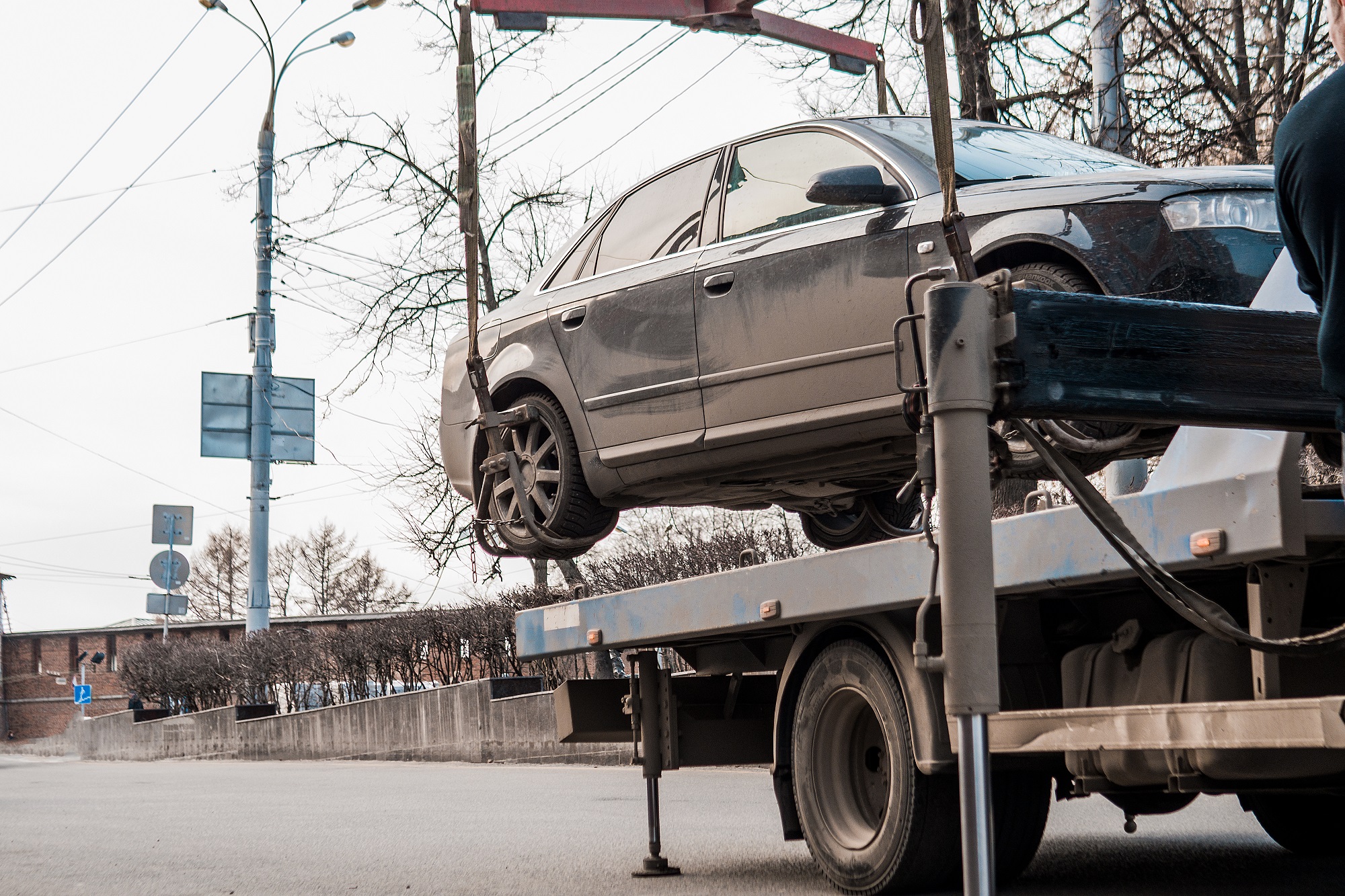
A vehicle with damaged steering or undercarriage components can look stable while carrying a serious recovery risk. Towing service in Upper Sandusky professionals evaluate how suspension load transfers through the axles, wheels, frame, and remaining support points before attempting movement.
Ed’s 24 Hour Service approaches these situations with recovery equipment, specialized transportation methods, and careful positioning rather than treating every disabled vehicle as an ordinary tow. Readers can also review the company’s heavy duty towing service for related recovery needs.
When steering or suspension components are compromised, technicians evaluate weight distribution, suspension compression, axle loading, tire contact, vehicle angle, and the direction of pulling forces. These factors help determine whether light and heavy duty towing, flatbed towing, wheel lift towing, winching, or more controlled recovery equipment is appropriate.
How Suspension Load Transfer Changes a Damaged Vehicle
Suspension load transfer describes how forces move between a vehicle’s tires and supporting components as its weight shifts. During ordinary driving, braking, cornering, acceleration, and uneven-road travel constantly change the amount of load carried by each wheel. A damaged vehicle can respond differently because a bent control arm, broken steering component, damaged axle, or compromised undercarriage may no longer distribute forces normally.
A professional towing service in Upper Sandusky assessment therefore looks beyond the obvious damage. Certified technicians consider where the vehicle is supported, whether the wheels can rotate, how the suspension is set, and whether the recovery method could apply force to a damaged component. In Upper Sandusky and throughout Wyandot County, those considerations become even more important when seasonal weather creates slippery shoulders, standing water, ice, snow, or soft ground.
People Also Ask: Can a vehicle with broken suspension be towed normally? Sometimes, but the answer depends on the type and location of the damage. A compromised wheel, steering assembly, axle, or undercarriage may render ordinary wheel-lift towing unsuitable and require flatbed towing or specialized recovery equipment instead.
5 Mistakes that Can Make Undercarriage Recovery More Dangerous
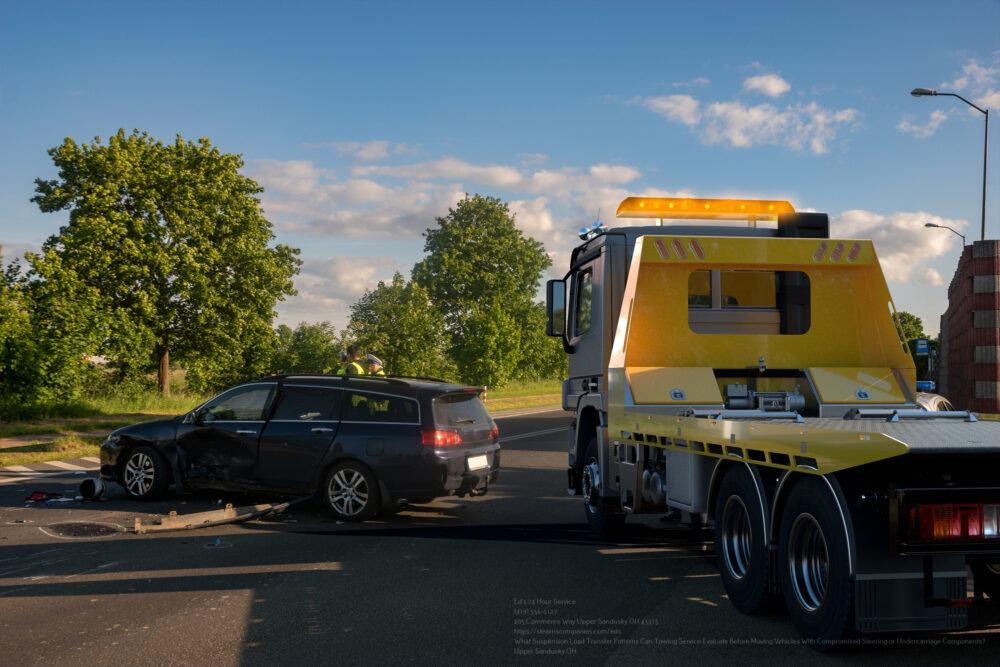
Several recovery mistakes can increase the risk of secondary damage. One common misconception is that a vehicle should always be pulled from the end closest to the roadway. The safest direction depends on the vehicle’s position, available attachment points, terrain, and suspension condition. Another mistake is assuming that a damaged steering system will remain pointed in the same direction once tension is applied.
A third problem occurs when technicians or untrained helpers rely on damaged suspension components as if they were normal lifting or attachment points. A fourth is overlooking the effect of uneven ground. A vehicle sitting on a slope may transfer additional weight toward one axle or side, changing how it reacts once recovery begins. A fifth mistake is continuing a pull after the vehicle’s movement becomes visibly different from the expected path.
These issues can become especially challenging with commercial vehicles, recreational vehicles, and heavy-duty commercial equipment. Ed’s 24 Hour Service uses appropriate tow trucks and recovery equipment for each situation rather than forcing a single transportation method on every vehicle. Industry guidance from the Federal Motor Carrier Safety Administration also emphasizes proper cargo securement and the control of forces that can affect vehicle stability, making its cargo securement guidance a useful reference when load movement is involved.
Need Professional Towing Service for a Damaged Vehicle?
Contact Ed’s 24 Hour Service today for dependable recovery assistance.
Why Load Transfer Analysis Protects More Than the Vehicle
A careful assessment can protect the damaged vehicle, recovery truck, roadway, and people working nearby. If a suspension component is already carrying an abnormal load, applying force without understanding its condition could turn a controlled recovery into an unpredictable movement.
The same principle applies to long-distance tows. A vehicle that can be moved safely for a short distance isn’t necessarily suitable for extended travel in the same configuration. Flatbed towing may provide a more controlled method of transport when the wheels or suspension can’t safely support normal rolling motion. For some vehicles, wheel-lift towing may be appropriate when the unaffected axle and remaining components can safely support the load.
Ed’s 24 Hour Service also provides roadside assistance for vehicle emergencies where the problem may initially appear less severe. A flat-tire service, gas delivery, or battery-jump assistance may resolve a basic roadside issue without requiring recovery. When steering or undercarriage damage is present, however, a more deliberate assessment is warranted.
What Should Drivers Remember Before Calling for Recovery?
Drivers should avoid attempting to steer, roll, or drag a vehicle with suspected steering or undercarriage damage unless a qualified professional has determined that movement is safe. Even a short distance can change suspension loading, particularly when a wheel is misaligned or a component has separated.
Clear information can help Ed’s 24 Hour Service prepare for the call. Drivers can explain whether the vehicle struck an object, left the roadway, was involved in a collision, experienced steering failure, or became disabled due to another mechanical problem. Photos can also show the vehicle’s position and visible damage. In contrast, details about vehicle size, trailer configuration, cargo, and accessibility can help the company determine whether commercial towing services, emergency towing, offroad recovery, or another service is appropriate.
For businesses relying on commercial vehicles, reducing unnecessary downtime matters as well. Prompt Towing/Roadside Assistance can help keep a vehicle from remaining in a hazardous location while the appropriate recovery plan is arranged. Ed’s 24 Hour Service supports customer satisfaction through 24-hour availability and services designed for both ordinary roadside problems and demanding recovery situations.
Why Ed’s 24 Hour Service is a Smart Choice for Vehicle Recovery
We at Ed’s 24 Hour Service provide the best solutions to our customers by evaluating the condition of the vehicle before selecting a towing or recovery method. Damaged steering, suspension, and undercarriage components can alter how weight is distributed through a vehicle, which is why our approach considers load transfer, vehicle position, equipment selection, and safe movement rather than relying on a one-size-fits-all tow.
Our services include roadside assistance, towing recovery, heavy duty towing, emergency towing, and specialized transportation for situations that require more than a routine tow. Our certified technicians use suitable tow trucks and recovery equipment to help customers manage difficult vehicle emergencies while maintaining a strong focus on customer satisfaction.
Contact Ed’s 24 Hour Service for professional towing and recovery assistance in Upper Sandusky when steering or undercarriage damage makes ordinary vehicle movement uncertain. With the right assessment and transportation method, towing service in Upper Sandusky can provide a safer and more controlled solution for compromised vehicles.
Need Professional Towing Service for a Damaged Vehicle?
Contact Ed’s 24 Hour Service today for dependable recovery assistance.