Why One Unevenly Loaded Wheel Can Change the Entire Recovery
A disabled vehicle can look ready for towing while its weight is resting very differently from normal. Towing service in Findlay professionals assess wheel-load distribution before choosing how to lift, winch, transport, or recover it. Ed’s 24 Hour Service provides light and heavy duty towing, specialized transportation, and roadside assistance, with professionally certified technicians serving Findlay and surrounding communities.
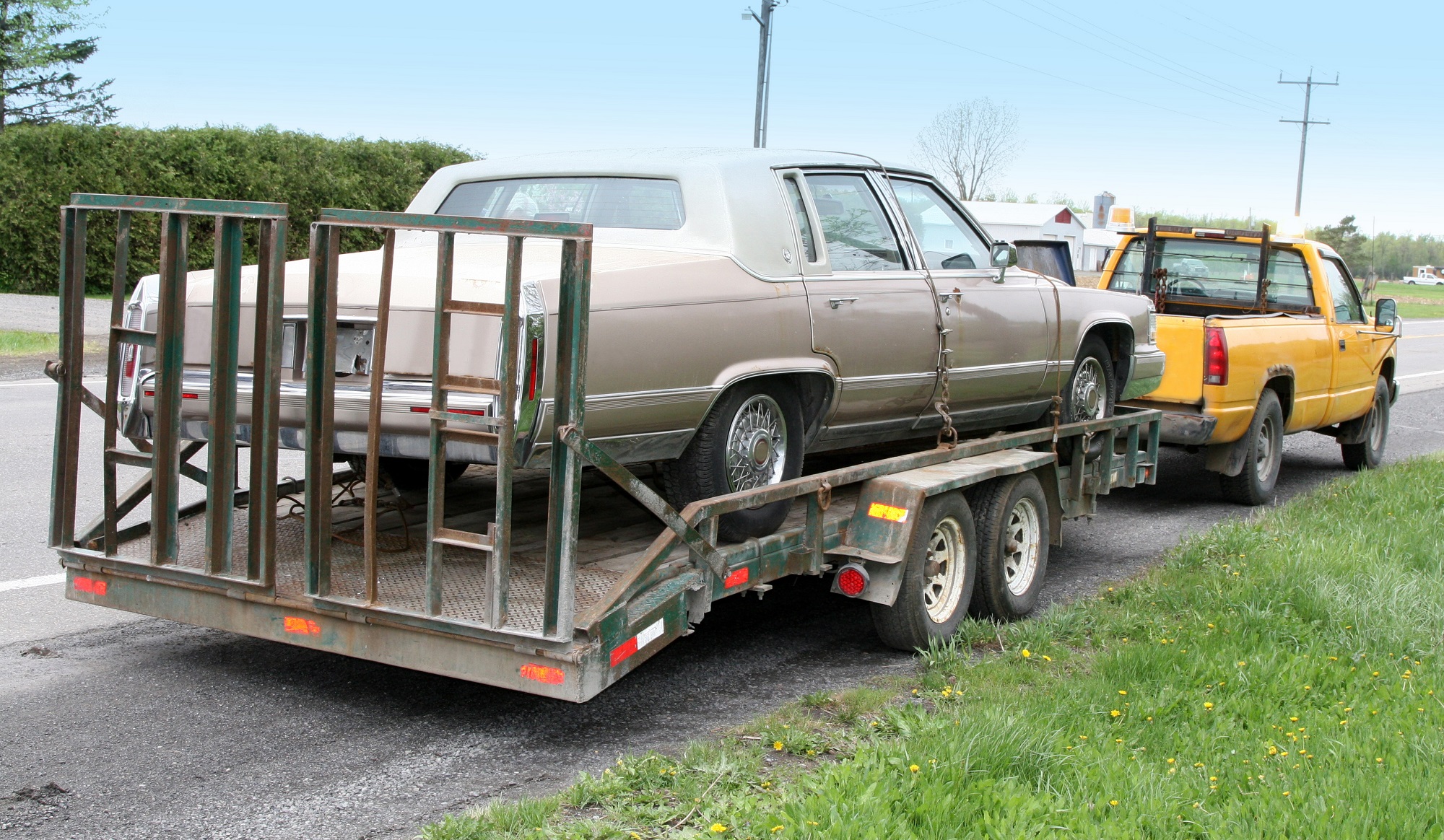
Wheel-load distribution refers to how a vehicle’s total weight is supported across its tires and axles. Damage, cargo movement, a flat tire, uneven ground, trailer weight, or a collision can change that distribution. During recovery, technicians need to understand those changes because an unsuitable lifting or towing configuration can increase stress on the vehicle, recovery equipment, or roadway.
The safest recovery configuration depends on vehicle weight, axle loading, wheel position, damage, ground conditions, attachment points, and the intended transportation method. Operators use this information to select appropriate tow trucks, flatbed towing, wheel-lift towing, winching, or heavier recovery equipment, while controlling how the vehicle responds during movement.
How Do Towing Professionals Read Wheel-Load Distribution?
A vehicle doesn’t necessarily carry equal weight at every wheel. Engine placement, cargo, passengers, fuel, trailer connections, body design, and equipment can all influence axle loading. When a vehicle becomes disabled, additional factors appear. A damaged suspension component can transfer weight to another wheel, while a deflated tire can alter the vehicle’s ride height.
Why does this matter before a tow begins? Suppose a vehicle has suffered front-end damage and one wheel no longer sits correctly. Lifting the wrong end or allowing that damaged wheel to carry excessive weight can create additional stress. A professional operator instead evaluates the vehicle’s condition and determines which parts can safely support the recovery configuration.
This becomes particularly important with commercial vehicles and heavy equipment. Ed’s 24 Hour Service states that it provides light and heavy duty towing, recovery, specialized transportation, and roadside assistance, while its service area includes Findlay and surrounding locations.
People Also Ask: How do tow operators know which wheels should support a disabled vehicle? They consider the vehicle’s weight distribution, damage, axle condition, wheel position, lifting points, and transportation requirements. The answer varies by vehicle and situation, rather than following a single universal configuration.
5 Wheel-Load Problems that Can Complicate a Recovery
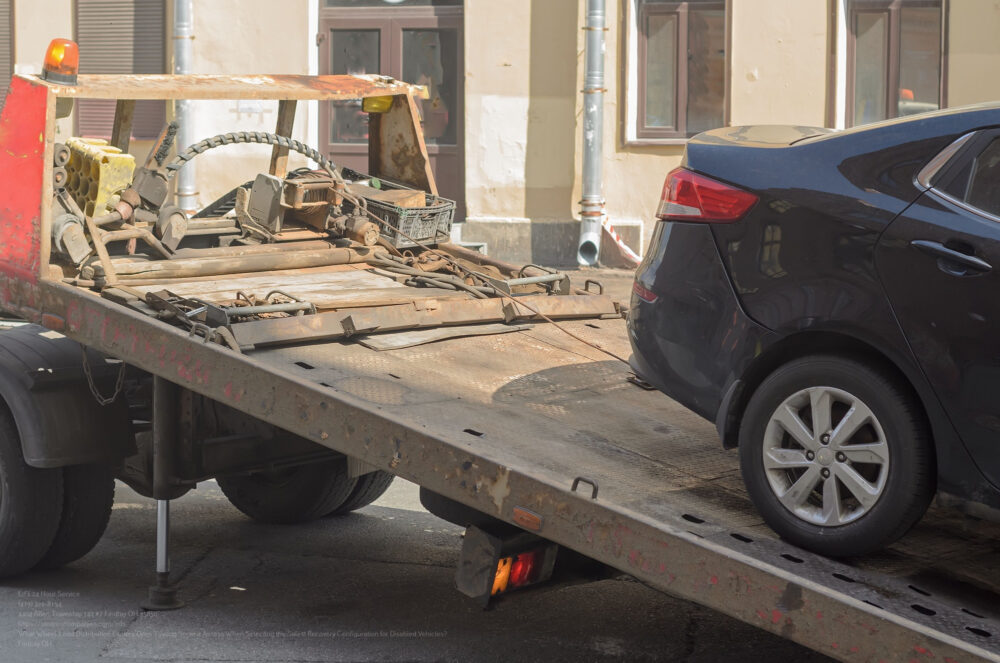
- One frequent mistake is assuming that a disabled vehicle still has its normal weight distribution. A collision, mechanical failure, broken suspension, or a loaded trailer can change which wheels carry the greatest forces.
- Another mistake is overlooking a damaged tire. A flat tire may appear to be a minor issue, but it can change the vehicle’s height and its contact with the ground.
- A third problem is choosing equipment based only on the vehicle’s total weight. Total weight matters, but where that weight is concentrated also affects recovery.
- A fourth mistake is failing to consider the surface beneath the vehicle. Mud, gravel, snow, ice, or a soft shoulder can cause a wheel to sink or slide as load transfers.
- A fifth issue is assuming that a recovery configuration remains stable after the vehicle starts moving. Load distribution can change as the vehicle is lifted, pulled, loaded onto a flatbed, or repositioned. The Federal Highway Administration’s truck size and weight information recognizes the significance of vehicle weight requirements and specifically addresses heavy-duty tow and recovery vehicles.
Ed’s 24 Hour Service approaches these situations with equipment suited to vehicles of different sizes and recovery needs, rather than relying on a single towing method.
Need Professional Towing Service?
Contact Ed’s 24 Hour Service today for dependable recovery and towing assistance.
Why Wheel-Load Assessment Can Prevent Additional Damage
Wheel-load assessment helps operators understand what may happen when the vehicle is lifted or moved. If most of the weight is concentrated over one axle, the recovery configuration needs to account for that concentration. If one corner is damaged, technicians may need to prevent that area from carrying forces it cannot safely withstand.
Consider an accident recovery involving a commercial vehicle with damage around one of the front wheels. A standard towing arrangement might not be suitable if steering or suspension components are compromised. Flatbed towing can provide a different transportation configuration by supporting the vehicle rather than requiring damaged wheels to roll normally.
The same principle applies to heavy transport. A recovery truck may have sufficient capacity to move a vehicle, but the load still needs to be positioned and secured appropriately. Ed’s 24 Hour Service reports that its fleet includes a rotator capable of handling up to 75 tons, as well as equipment for moving large trucks, construction equipment, and displaced cargo.
For a customer facing a roadside emergency, this assessment can also reduce unnecessary delays. A driver may initially request towing, but a technician could determine that a roadside repair, tire service, or another solution is more appropriate. Ed’s provides fuel delivery, lockout assistance, jump starts, tire repair and replacement, and roadside maintenance alongside its towing and recovery capabilities.
What Should Drivers Do Before Professional Recovery Arrives?
Drivers shouldn’t attempt to redistribute a disabled vehicle’s load themselves. Moving cargo, changing the wheel position, or attempting to pull a damaged vehicle with another vehicle can introduce new forces, making the recovery more difficult. Instead, the safest approach is generally to remain in a secure location and provide accurate information to the recovery provider.
Information about whether the vehicle is carrying heavy equipment, towing a trailer, has experienced a collision, or has a flat or damaged tire can help the dispatcher prepare. Drivers should also mention if the vehicle is partly off the roadway or resting on soft ground. These details can affect whether light duty towing, heavy towing, flatbed towing, wheel lift towing, or recovery services are considered.
For businesses operating commercial vehicles, quick communication can also reduce downtime. Ed’s 24 Hour Service provides 24/7 towing and recovery, roadside service, truck and trailer repair, load corrections, annual inspections, and other commercial support.
Why Ed’s 24 Hour Service is a Smart Choice for Vehicle Recovery
We at Ed’s 24 Hour Service provide the best solutions to our customers by evaluating the vehicle before selecting a recovery configuration. Wheel-load distribution, axle loading, tire condition, suspension damage, ground conditions, and equipment capacity can all influence how a disabled vehicle should be moved.
We showcase our excellent services through roadside assistance, light and heavy duty towing, flatbed towing, wheel lift towing, accident recovery, heavy transport, and specialized transportation. Our certified technicians and extensive equipment enable us to handle vehicle breakdowns, commercial towing needs, and demanding recovery situations.
Contact Ed’s 24 Hour Service when a disabled vehicle in Findlay needs careful assessment and professional transportation. When wheel loading and vehicle condition matter, towing service in Findlay provides the expertise and equipment needed to select a controlled recovery configuration.
Need Professional Towing Service?
Contact Ed’s 24 Hour Service today for dependable recovery and towing assistance.